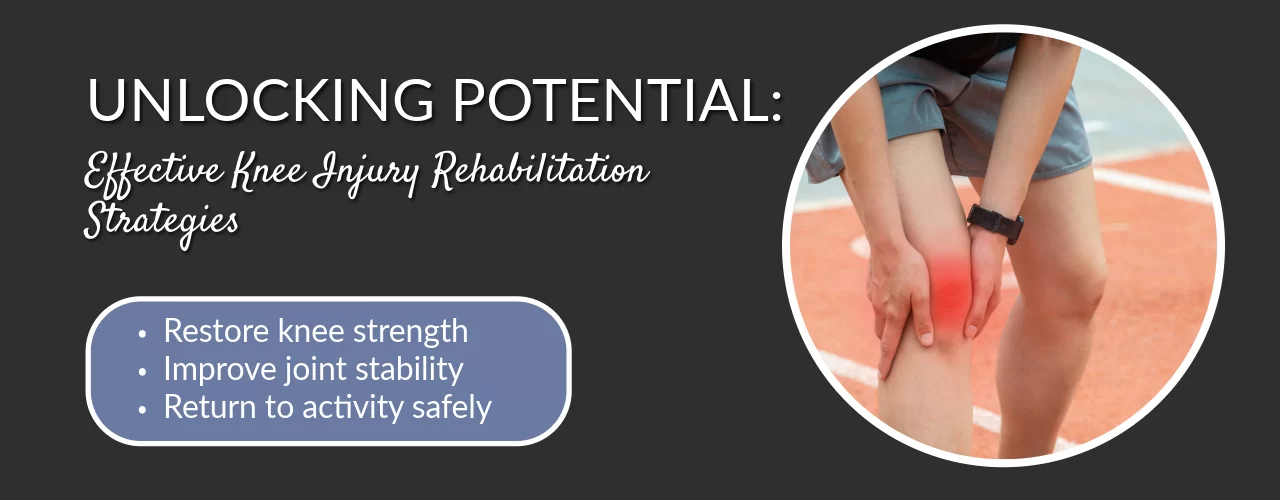
Knee injuries are among the most common orthopedic issues seen in clinics, gyms, and athletic training rooms. Whether caused by sports, a fall, or wear and tear over time, knee injuries can limit your mobility and keep you from doing the things you enjoy. The good news is that most injuries improve with the right plan. With consistent care, education, andmovement-based physical therapy, patients often return stronger than before. That’s the power of structured knee injury rehabilitation.
Let’s explore what makes rehab effective, what to expect during the process, and how a personalized approach helps restore strength, confidence, and long-term knee health.
Why Knee Injuries Need More Than Rest
It’s common to rest after an injury, and that’s often a necessary first step. But rest alone rarely solves the full picture. Once swelling goes down or pain improves, people often expect to return to activity without rebuilding the strength and control their knees need. This can lead to reinjury or ongoing discomfort.
The knee is a complex joint supported by muscles, ligaments, and surrounding tissue. If one part isn’t working well, it affects the whole system. That’s why knee injury rehabilitation focuses on restoring both the movement and support needed to protect the joint through every phase of healing.
What Effective Knee Injury Rehabilitation Includes
Knee injury rehabilitation is not a one-size-fits-all process. The best results come from addressing your specific condition and goals. At Eastside Sports Rehab, we design each plan to rebuild movement, reduce pain, and restore the knee’s full function over time. Key components often include:
Strengthening
- Targeted exercises build the muscles that stabilize and support the knee, including the quadriceps, hamstrings, glutes, and calves.
Manual Therapy
- Hands-on treatment helps reduce stiffness, improve joint mechanics, and restore normal tissue mobility.
Balance and Proprioception Training
- These exercises improve how your body senses movement and position. They are essential after ligament injuries or sprains.
Mobility Work
- Restoring range of motion is critical for bending, straightening, and rotating the knee comfortably.
Functional Retraining
- As healing progresses, rehab shifts toward restoring everyday movements like walking, squatting, and climbing stairs. Athletes may progress to sport-specific drills.
What Makes Rehab Plans Successful
Great rehab isn’t just about exercises. It’s about building a structured, patient-centered plan and adapting it as recovery progresses.
Here’s what contributes to long-term success:
Personalization
- Plans must reflect the injury type, lifestyle, and activity demands of the patient. A runner needs different programming than someone recovering from surgery.
Progressive Loading
- Gradually increasing demand helps rebuild strength without flaring up symptoms.
Education
- Understanding how your body heals, what to expect, and why each step matters helps build confidence.
Consistency
- Rehab works best when appointments and home programs are completed regularly.
At Eastside Sports Rehab, we work side by side with each patient to adjust their plan as needed and help them overcome physical and mental barriers during recovery.
What to Expect During Each Phase of Recovery
Although each rehab journey is unique, most follow a general structure:
Phase 1: Pain and swelling management
- Focus on reducing inflammation, protecting the joint, and easing movement.
Phase 2: Restoring range of motion
- Exercises and hands-on care help improve flexibility and comfort during movement.
Phase 3: Strength and control building
- Focus shifts to muscle activation, joint stability, and correcting compensation patterns.
Phase 4: Functional return
- Movements are geared toward daily activities or sport-specific drills. Patients begin testing movements under higher loads.
Phase 5: Maintenance and prevention
- Strategies are introduced to reduce future injury risk and support long-term knee health.
Each phase builds on the last and is tailored to your symptoms and goals.
Get Back to the Activities You Love
A knee injury can feel like a major setback, but it doesn’t have to be the end of your active lifestyle. With a structured knee injury rehabilitation plan, many patients return to their full activities stronger, more confident, and better prepared for future movement.
If your knee pain is holding you back or if you’re recovering from a recent injury, the team at Eastside Sports Rehab is ready to help. Contact us today to get started on a recovery plan that supports your goals and unlocks your full potential.